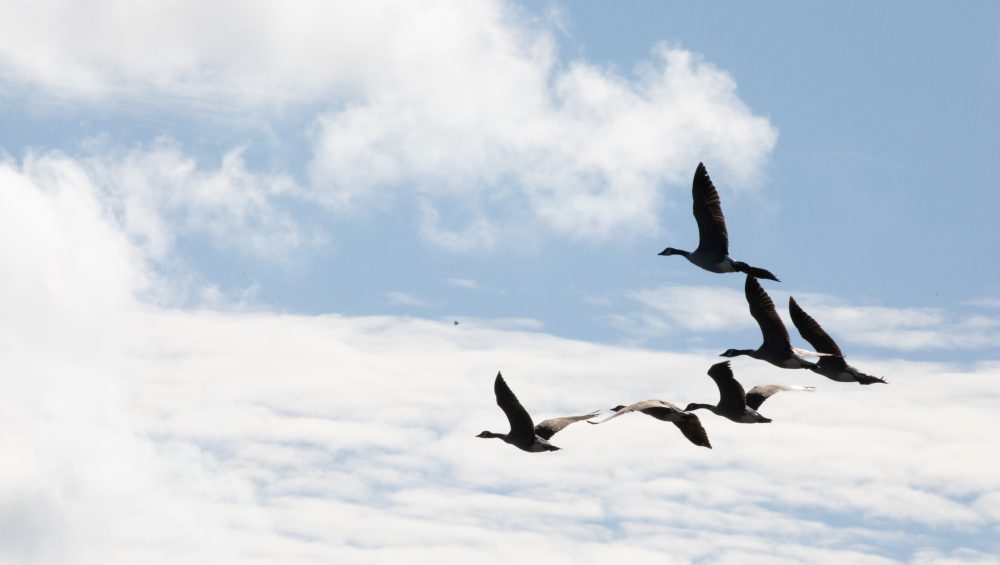

The end of May brought the cicadas, the end of spring migration and a settling down into warmer temperatures and longer days. It portends a long summer season with a lot less activity and more leaves on the trees.
We have had so much more rain than last year’s drought, it seems as if plants are making up for it. That, combined with early warm weather, has accelerated growth and the flowering and fruiting season. Mulberries are already staining the cement. My currant bushes are laden with fruit. And it seems like after every rain, I have to eliminate more plants to walk through the backyard.
Here are photos selected from 3 consecutive visits to the Chicago Portage on May 25, May 28 and May 30.
On May 25, I was happy to see the Green Heron at one of its favorite fishing spots, hanging out on a log with the turtles.


An American Goldfinch was foraging in the duckweed.

And a House Wren was having a quiet moment.

On May 28, I saw the Green Heron again.


Cicadas were impossible to ignore.

Galls were already on the leaves of a hackberry tree. The galls provide a treat in the fall when the warblers come back through.

The bottomlands close to the Des Plaines River have been flooded most of the time.

I found another House Wren.


I often encounter American Robins along the trail.

On May 30, my first subject was a young doe.

Two Canada Geese were hanging out with the turtles.


A backlit Indigo Bunting looks nearly black.

I followed a female Brown-headed Cowbird. She matched the color of the branch she sat on.


I had an early Cicada pinup.

I caught a Gray Squirrel with cicada-mouth.

Swallows were flying over the marsh. I managed to photograph a Tree Swallow and then Northern Rough-winged Swallows.


Baltimore Orioles aren’t as easy to see now that they’re nesting.

I found a distant Northern Flicker scaling a dead tree.

Butterflies started to emerge.


Red-winged Blackbirds are everywhere but not always visible either.

I found a female American Goldfinch in a tree.


And then another down by the water.

One more of the very blue-looking Indigo Bunting at the top of the post. In case I haven’t mentioned it before, their feathers are actually all black and the degree of blueness is what you see in light reflection.

The breeding birds are in place. The cicadas are everywhere. The days are getting longer and waking up at 5:00 AM now feels normal, unless I remind myself that had we not set the clocks ahead, it would be 4:00 AM. I’m going back to writing a book, in between navigating a calendar full of summertime concerts and gatherings. And gardening, looking for birds, playing piano, swimming and blogging, of course. Sometimes all I can do is take a nap.


