Warblers have been coming in all the colors of the browning leaves. Here are some photos from Riverside from September 17 and September 22. Since then we have had a heat wave of sorts, but migration has been steady if slower. We had hardly any rain in September. On the 17th, the story was still primarily Great Egrets and Great Blue Herons.


On September 22, the Des Plaines River was even lower. Several Great Egrets were still gathering south of the Hofmann Tower.

When I got out of my car, I noticed a young Cooper’s Hawk hunting for house sparrows in the yews by the condominium complex.


I watched a Great Egret fishing in the shallows by the former dam.


Then, when I entered Riverside Lawn, I was greeted by a Hermit Thrush.

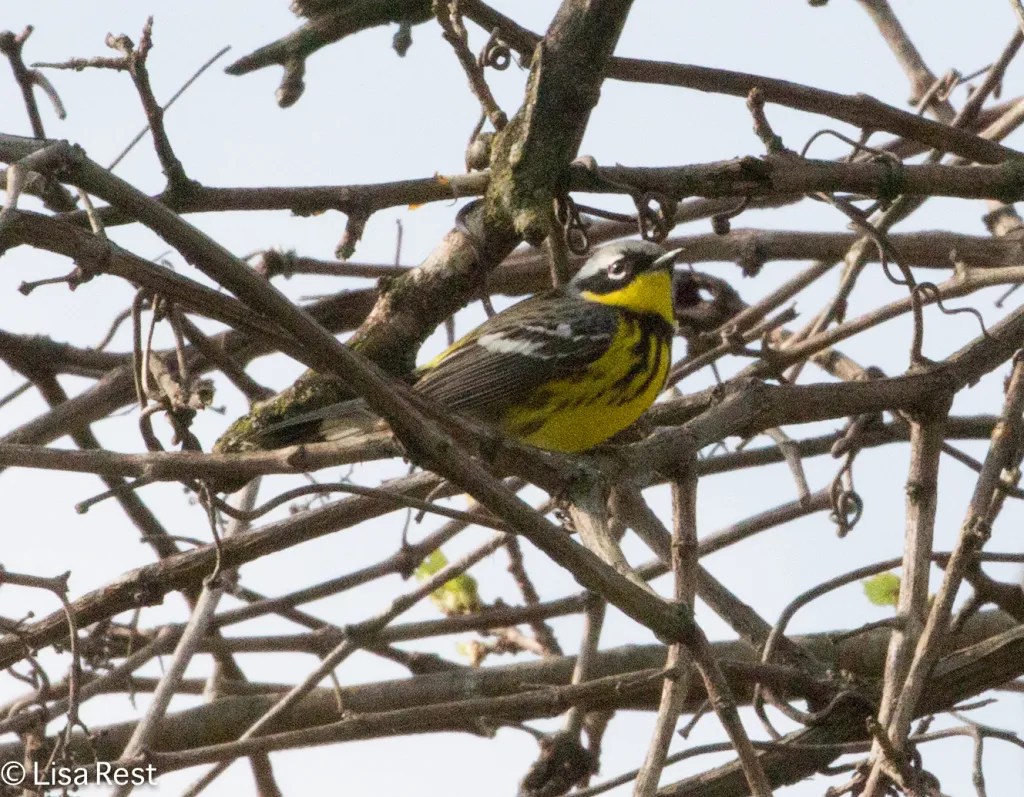
Warblers were next, starting with a Magnolia Warbler.


After a brief rain a day or two earlier, a Chicken of the Woods fungus sprung up on the log where I often sit.

I found a Blackpoll Warbler.


I have seen a lot of Gray-cheeked Thrushes this fall, and this day was no exception.

I got a brief look at a Ruby-throated Hummingbird in a small patch of Jewelweed (impatiens capensis), which also has the common name of Touch-Me-Not. Years ago, when the Chicago Portage had a lot of this stuff growing, it was a magnet for these hummingbirds in migration. I can remember walking in on the trail one day and seeing what must have been 100 hummingbirds.

I saw a Chestnut-sided Warbler on the 22nd. This is another species I have seen fairly frequently this fall.


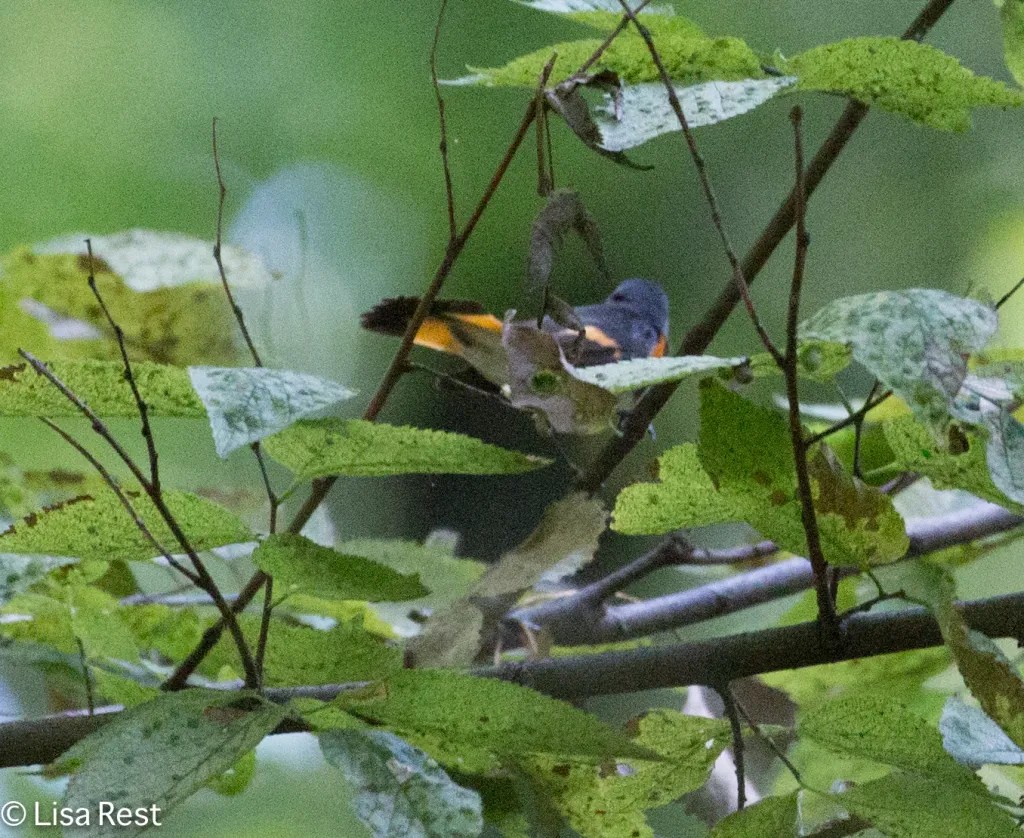
American Redstarts were present. Below is a second-year-or-better male.


It has been good for seeing Cape May Warblers too. The one below is a different individual from the one at the top of the post.


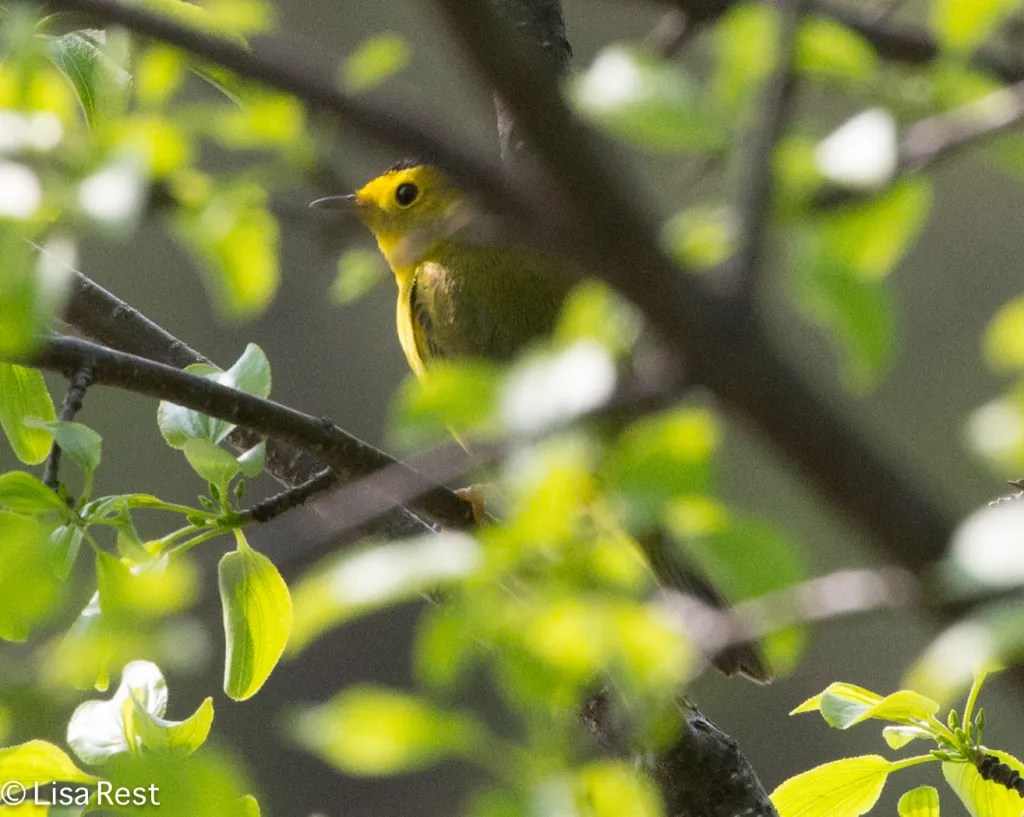
I found a couple Tennessee Warblers.


Here is another Magnolia Warbler from that day. This one appears to be a female.


There was a more dramatic looking Chicken of the Woods mushroom on a tree stump. This is apparently edible. I could almost be tempted.

The Cape May Warbler below is the individual at the top of the post.


And here is yet another Blackpoll Warbler.


I saw a couple more American Redstarts.


The bird below is.a female American Redstart.


And for good measure, I saw a Rose-breasted Grosbeak. I think this is a first-winter male.

I have many more photos to share with you. I was not so optimistic a couple weeks ago, but now things have picked up again, and with a cold front coming in and rain (finally!) expected tomorrow night, I had better make more room on the hard drive.
For what it’s worth, I found some photos from August 20th when we must have been getting more rain. You can see the difference in the water level of the river. I also had one of the last male Indigo Buntings and about 40 European Starlings, some of which you can see in the bare tree against a cloudy sky.